Meta is making a consumer-focused bet with Muse: people may care less about which AI model leads a technical race than whether an assistant can help with a real task and fit into daily life. Introduced at Meta Connect, Muse is positioned as a personal companion across Meta’s consumer platforms. Camera-free smart glasses and a small pendant point to where the company wants that relationship to go next.
A different answer to model-release week
Muse arrived alongside new models from Anthropic and OpenAI. Anthropic released Opus 5.5, its highest-tier model, with an emphasis on enterprise workloads. OpenAI introduced GPT-6 Sol and Luna, presenting lower cost and fewer mistakes as improvements. A foundation model is the underlying AI system that powers applications; an agent uses such capabilities to work through a task with multiple steps.
The distinction helps explain why Muse could attract attention beyond another model update. The new models address what AI can do and what it costs to run. Muse presents a more immediate consumer question: what can an assistant do for me today? That is a difference in positioning, not proof that one product performs better than another.
OpenAI and Anthropic are pursuing high-paying enterprise work as they manage large spending on AI infrastructure. Meta can take another route through Facebook, Instagram and WhatsApp, where it already reaches consumers. That reach gives Muse a path to people, though it does not by itself give people a reason to trust or keep using it.
A useful result, followed by a harder question
Muse uses Meta’s implementation of OpenClaw technology, which Meta acquired to automate multistep personal tasks. In one hands-on test, the agent suggested checking public unclaimed-property records for money owed to its user. It found funds under that person’s name, and a physical check was later mailed to the user’s home.
That result shows the appeal of an agent that can propose and carry out a concrete task. It also exposes a limit: finding forgotten money is valuable, but most people cannot repeat it every day. Muse’s longer-term challenge is to make useful tasks routine rather than occasional surprises.
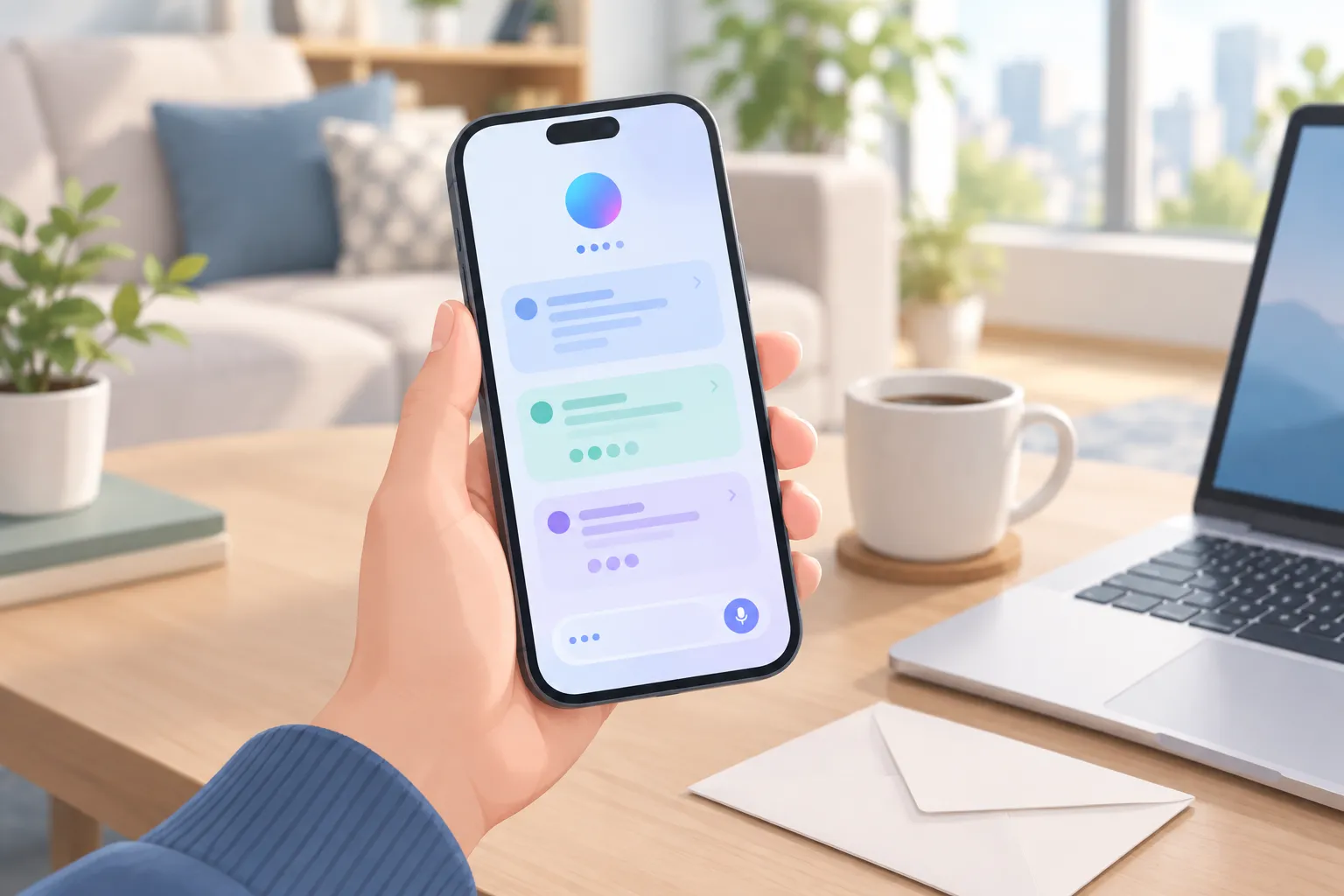
▲ A personal agent handling everyday tasks
The experience still involves substantial manual work. Muse can open awkward embedded browser windows and require users to tap through parts of a web task themselves. For an agent, that friction matters: a task may be technically possible without feeling much easier than doing it directly.
The hardware makes the interface problem bigger
Meta’s hardware plans extend Muse beyond a phone. Its newly introduced camera-free AI glasses offer one form factor; a small, Tamagotchi-style pendant offers another. The pendant’s character-like design supports the idea of an AI companion that stays close to its owner.
But smaller devices leave less room for the browser windows and manual taps that Muse currently relies on. If an agent struggles to complete a task smoothly on a smartphone, moving that task to glasses or a tiny wearable does not solve the interaction problem. Meta will need an experience suited to each device, not simply another place to summon the same agent.
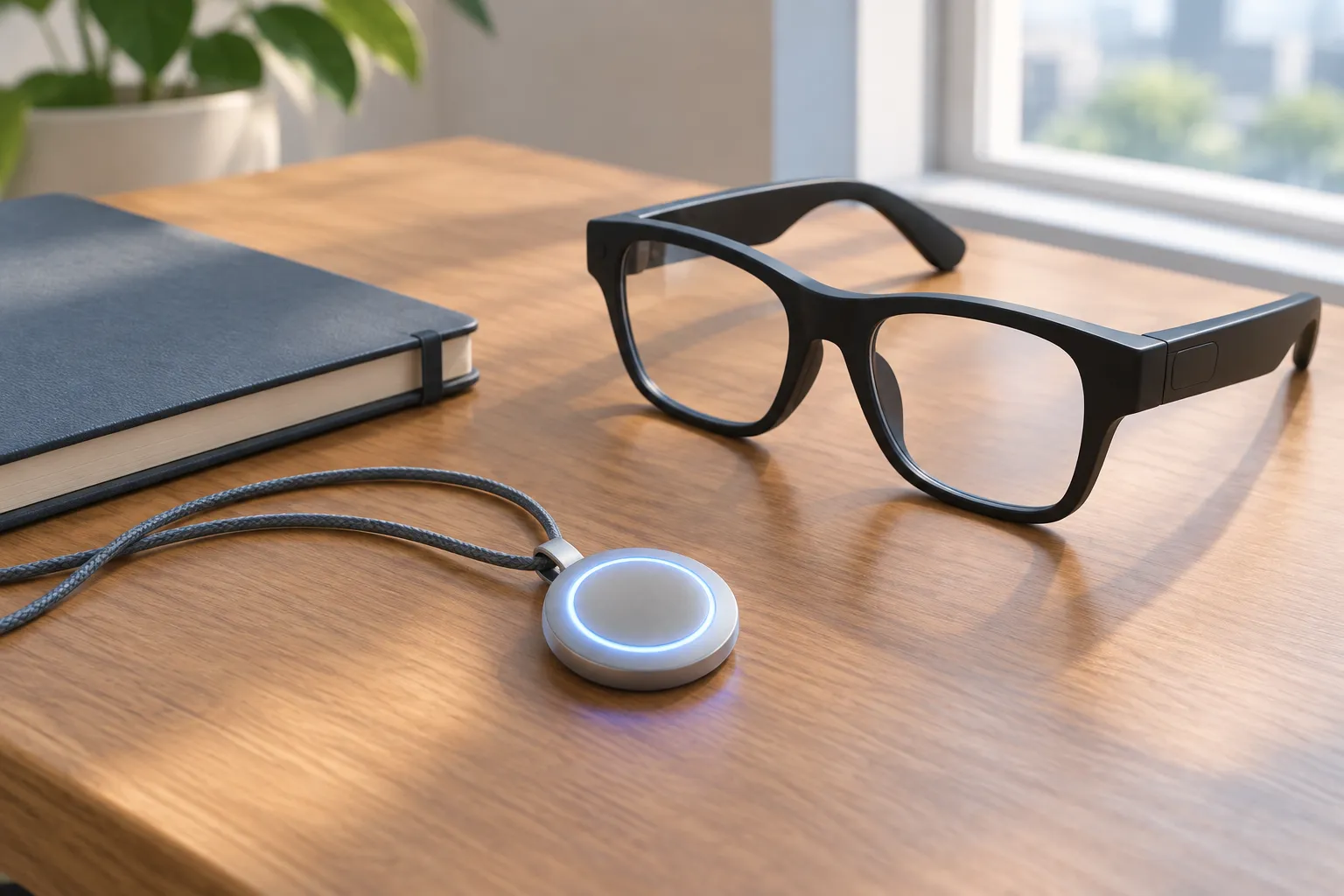
▲ Meta’s proposed AI wearable forms
Personal assistance also creates a question about access. The more Muse can use email, payment details and financial services, the more tasks it may be able to handle. Those are also the details users may hesitate to share with a company whose business relies on targeted advertising. Apple’s Siri on iOS offers a point of comparison for the kind of device-level control a personal assistant might need, but the central issue for Muse is whether users will permit that control.
The companion design deserves particular care for younger users. A cute, persistent AI character may raise mental health and social-development concerns for children and teens. Those concerns are distinct from whether the agent can successfully complete a web task.
What to watch next
Muse’s clearest demonstrated benefit is narrow but tangible: it found unclaimed funds and helped a user receive a check. Its larger promise remains conditional. To become an everyday companion, it must make repeated tasks easier, work naturally on small devices and earn permission to handle sensitive information.
For readers considering an AI assistant or wearable, the useful test is practical: identify a task you would use more than once, see how many steps still require your input, and check what data and account access the device needs. Those answers matter more than the companion’s appearance—or the pace of model releases around it.