ChatGPT’s web interface is starting to look more like Codex, OpenAI’s coding application. Updated navigation, project controls, themes and profile details suggest that the two workspaces are moving closer together. That could eventually let people carry a task from conversation into coding without changing environments. For now, though, the visible changes do not establish that OpenAI will combine the apps or change how their usage limits work.
What has changed in ChatGPT
The ChatGPT web interface still shows separate Chat and Work options. Beneath them, an expanded sidebar offers shortcuts to Home, Scheduled Tasks and Library. The updated Library organizes assets into views including Projects and GPTs, alongside categories such as Health, Finances, Sites and Maps. These are changes to how people find and manage work, not evidence that Chat and Work have become one mode.
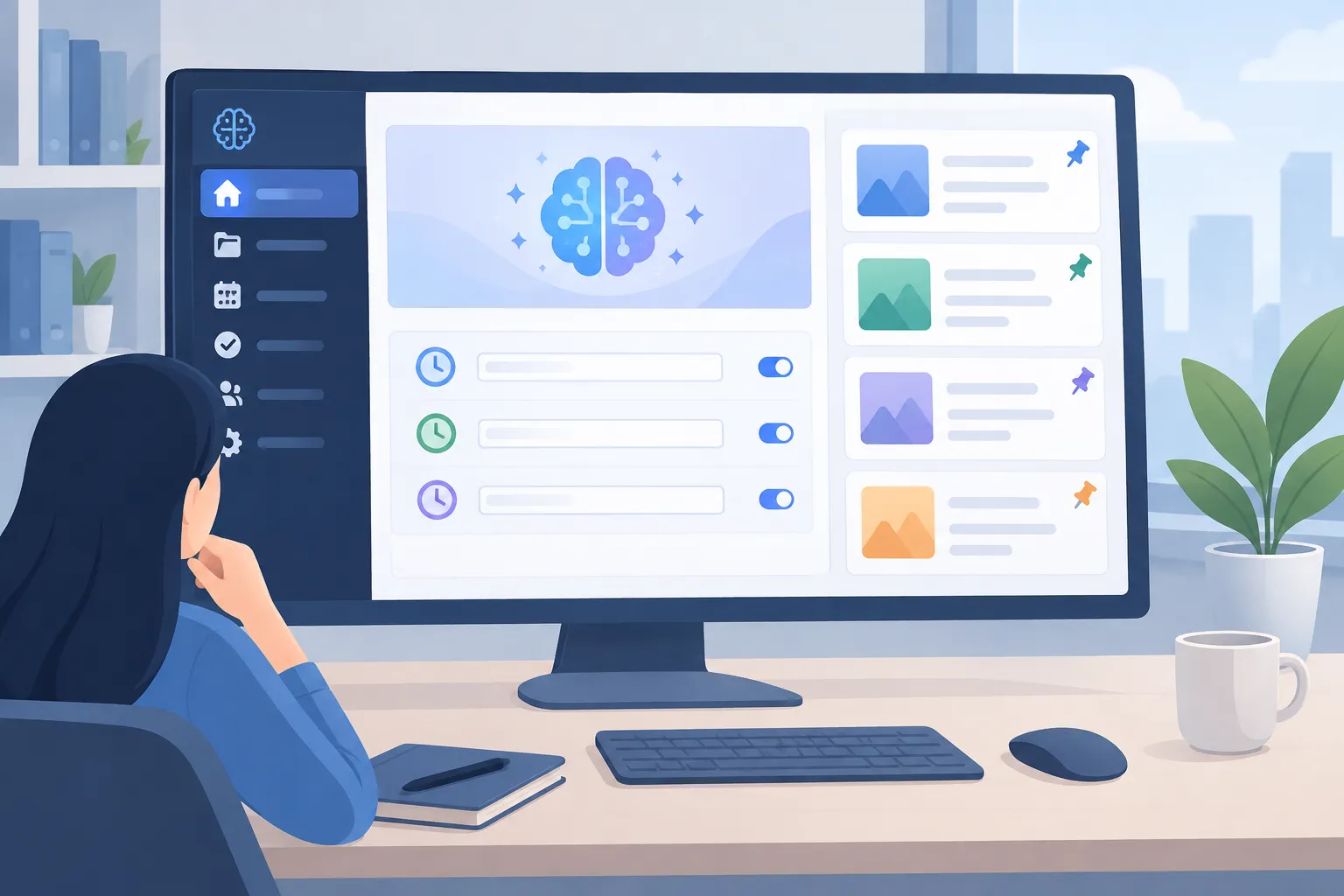
Scheduled Tasks now has dedicated controls rather than relying only on a conversational request. A task can have a title, details, a daily or weekly frequency, an execution time and an end condition. That structure may make recurring work easier to review and adjust.
▲ Updated task and project controls
Projects have also gained more visible management controls. The interface shows when projects and their conversations were last active, and it allows users to pin projects or individual conversations. Project settings and deletion controls appear in the same area. Someone returning to an ongoing task can therefore find its recent conversations without searching through an undifferentiated chat history.
The resemblance to Codex is clearest in settings and profiles. ChatGPT’s Appearance menu includes Codex-style theme choices, including GitHub, Dracula, Everforest and Gruvbox. Its profile area displays measures such as lifetime token use, longest task and daily activity in a layout that closely matches the Codex desktop application. A token is a unit of text that an AI model processes. These similarities point to a more consistent experience, but matching controls alone do not confirm a shared app.
A separate notice in the GPTs area tells users to migrate Custom GPTs to plugins by December 11. The notice frames plugins as the new home for existing Custom GPT configurations. This is a concrete action item for affected users, distinct from any prediction about a ChatGPT–Codex merger. An attempt to use the migration control encountered a temporary “Too many requests” message, so users should check whether a migration actually completes.
One workspace could work in several ways
References to “Web Merge” in code material circulated on X add to the impression that OpenAI is aligning ChatGPT and Codex. They do not reveal the final product design, a release date or a policy for usage limits. The most important distinction for users is whether a combined interface would also combine the capacity available for chat and more demanding work.
▲ Possible workspace and usage-limit designs
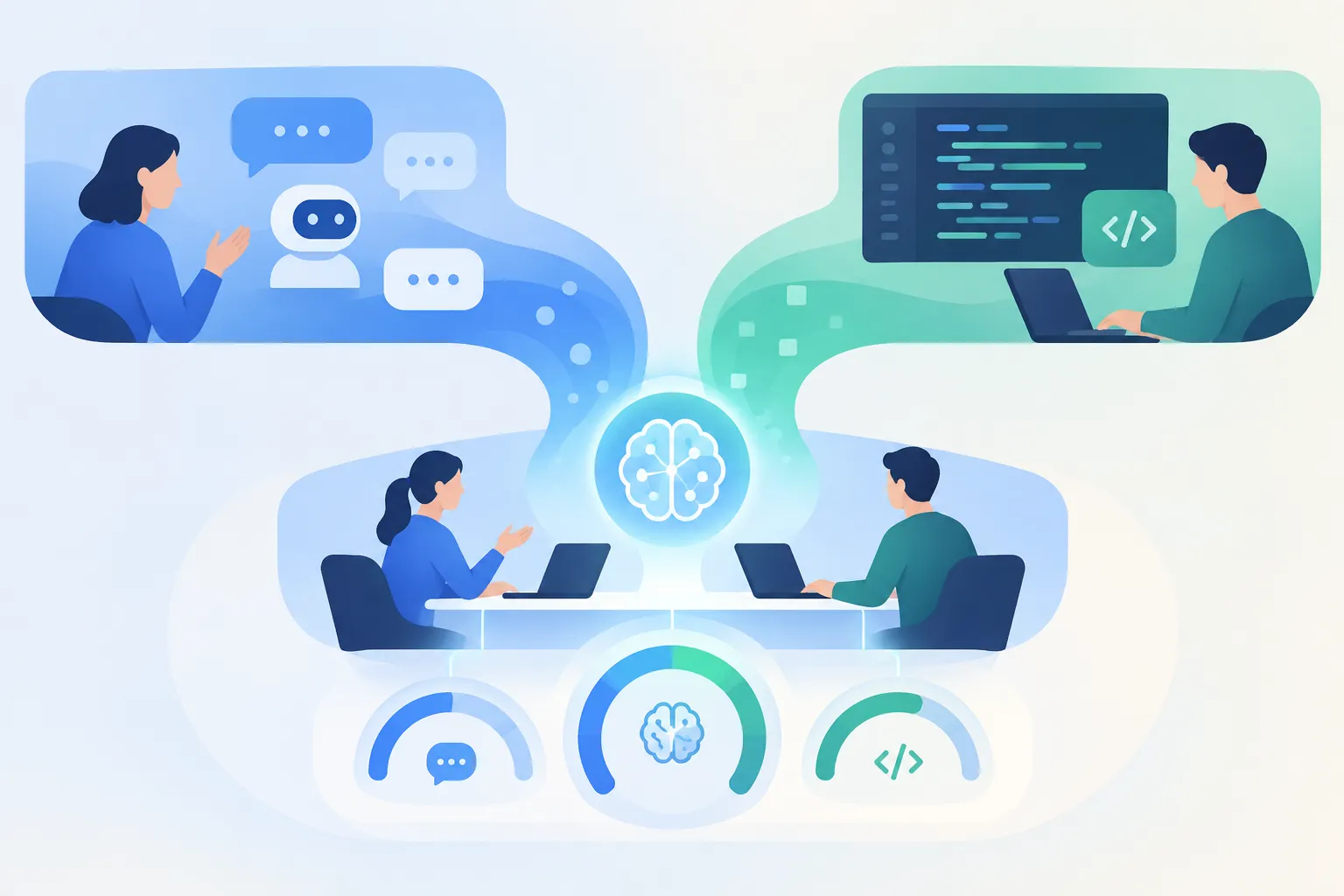
Three possible arrangements illustrate the difference:
- One interface, separate limits. Chat and Work could sit in a common workspace while retaining distinct usage meters. Moving between them would feel simpler, but each mode would still have its own allowance.
- One shared allowance. Chat and Work could draw from the same pool. Long-running coding or research tasks might then reduce the capacity left for quick conversations.
- One adaptive agent. A unified system could decide when to converse, research or write code without requiring a manual mode change. Tracking the tokens used by background work might matter more than counting individual messages.
These are possible designs, not announced plans. A unified agent may sound convenient, but whether it benefits a particular user would depend on how OpenAI handles limits and makes background activity visible.
Pricing clues do not settle the question
Code references and a leaked upgrade interface point to a possible Pro Max subscription, with figures of $500 and $600 per month appearing in the material. A plan listing describes faster Work and Codex execution, more memory and 100 GB of file storage. Neither the plan nor those prices has been announced as a final offering. The figures cannot establish what existing subscribers would receive if the interfaces converge.
There are also claims that Cerebras hardware could speed up complex reasoning work. The suggested speed of about 700 tokens per second and much shorter task times remain projections in the available material, not a demonstrated benefit of a merged app. Faster execution would not, by itself, answer the practical question of whether Chat and Work retain separate limits.
What to do while the design develops
Users can take advantage of the changes already visible: pin important projects and conversations, review recurring tasks in Scheduled Tasks, and check the GPTs area for the December 11 migration notice. Anyone migrating a Custom GPT should confirm that the process finishes rather than assuming a button press was enough.
The broader takeaway is narrower than a merger announcement. ChatGPT and Codex now share more of their interface language, and a continuous workspace appears possible. Until OpenAI specifies the product design and usage rules, possibly at its upcoming DevDay event, users should treat a single app, shared quotas and new subscription terms as open questions.