Meta has opened Muse, its personal AI assistant, to third-party services through Muse Connectors. That gives a small business a potential route into a customer’s conversation: instead of asking someone to leave chat and open another app, Muse can call a specialized service when the task calls for it. The opportunity is not simply to build a connector. It is to find a task people need done, make the result dependable, and reach those people without relying on Meta to promote it.
Why the timing of a connector matters
A connector links Muse to an external service through an API, a software interface that lets one system request information or actions from another. Unlike an app that a customer must decide to open, a connector can become relevant partway through a broader task. Someone organizing an event might first look for a venue, then need an audio equipment rental. A service that handles that second request can enter the workflow at the moment of need.
The comparison with Apple’s App Store is tempting: Apple provided the iPhone and a way for independent developers to distribute software, and by June 2010 it had paid developers more than $1 billion. Meta now provides the assistant interface while outside developers can supply specialized capabilities. But an analogy is not a forecast. Muse’s long-term adoption and the volume any connector might receive remain uncertain.
A court reservation illustrates the mechanics. A user asks Muse for an available padel court after a particular time. Muse gathers the details the service needs, and the connector checks an external booking system. That system might return a 7:00 p.m. slot for $60. Muse presents the quote; only after the user confirms does the connector make the reservation and return a receipt. Availability, price, approval, and confirmation are separate steps, not one assumed outcome.
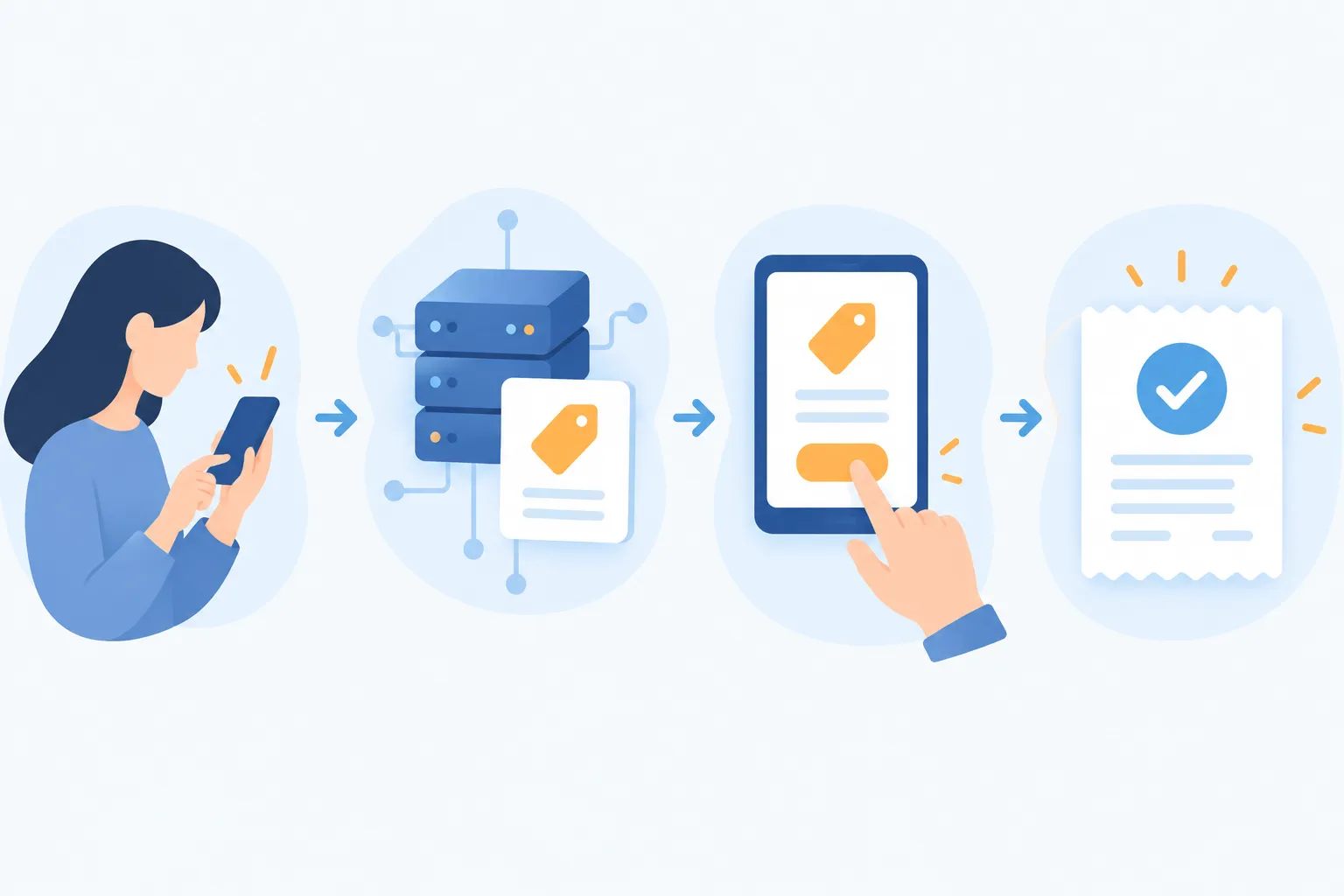
▲ From request to confirmed booking
A travel infrastructure provider already illustrates the commercial use of this pattern: its Muse integration supports flight searches, stays, and reservation management in chat. The provider processes more than $1 billion in annual transaction volume across its business. That figure describes the provider, not the revenue a new connector could expect.
Four services worth testing
1. Opening alerts for restaurant suppliers
A linen supplier needs to learn about new restaurants before those businesses settle on vendors. A connector focused on one metro area could assemble municipal filings, local news, and opening announcements, then return upcoming openings with launch timelines, sources, and commercial contact details. The useful product is not a generic list of restaurants; it is timely, checked information that helps a supplier decide whom to approach.
One proposed model is a monthly subscription for curated leads. At $99 per supplier, 100 paying suppliers would produce $9,900 in monthly recurring revenue before operating costs. That is arithmetic for this proposed case, not a prediction of demand. A founder could first ask local suppliers how they found their most recent prospects and whether missed openings cost them opportunities.
2. Appliance repair with a confirmed appointment
A homeowner with a broken dishwasher may care less about browsing a list of repair firms than about securing a qualified technician for a specific model and time. A connector could check participating firms’ dispatch systems for brand coverage, location, availability, and price, then offer appointment slots for approval inside Muse.
The proposed business model charges a participating contractor an agreed fee for a confirmed job, with $100 used as an example. Starting with one appliance category and one metro area would keep the service narrow enough to verify whether firms can supply reliable slots. For this idea, the continuing customer relationship may be with repair providers, which need a steady flow of inquiries, rather than with households that need repairs infrequently.
3. Padel games that bring the next players
A player could ask Muse for an evening padel game near them at the right skill level. A connector would check partner clubs or booking platforms, show available courts and prices, and reserve a slot after approval. It could then generate details to share with the other players.
That shared result offers a distribution path as well as a service. If one organizer sends a confirmed game to three friends, those friends encounter the booking experience before they need to organize a match themselves. A fee per confirmed reservation or participant is one possible model. Beginning in a city with enough courts and players would make it easier to test whether fragmented schedules are a real obstacle.

▲ Shared court booking invitations
The invitation only helps growth if it is useful on its own: recipients need the correct time, place, and reservation status. A shareable link should not promise a court that the service failed to secure.
4. Dinner plans that become a grocery cart
A parent might request three vegetarian dinners that take under 20 minutes, while noting that rice and broccoli are already at home. A meal-planning connector could use those constraints and household preferences to select recipes, calculate quantities, and assemble only the missing ingredients. Instacart developer tools could turn that list into a shoppable cart for the customer to review before checkout.
A weekly planning subscription or affiliate fee on grocery orders could be tested. The important distinction is between offering recipe suggestions and carrying a household’s plan through to an accurate, reviewable cart. Pantry items, quantities, and substitutions would all affect whether that result saves time.
Distribution cannot rest on a directory listing
Meta has an official directory for approved connectors, and a featured placement could bring early traffic. Yet editorial placement is unpredictable. A builder needs another route to the first customers, ideally one tied to the task the connector performs.
A meal-planning service could work with a food creator whose audience already wants family recipes, providing setup instructions and an agreed revenue share for acquired users. The padel service has a different route: every organizer has a reason to send game details to other players. A third option is to join an established marketplace that already has a Muse connector. Ticketmaster’s integration, for example, gives event organizers a way to appear in relevant Muse conversations without building their own connector. Which route fits depends on where customers already look and whether a connected marketplace serves the task.
Build the smallest dependable workflow
Coding agents such as Claude Code and OpenAI Codex can help a solo founder assemble a connector prototype quickly. The goal for a first version should be one customer outcome, not a broad assistant for an entire industry. A practical sequence is:
- Write the customer’s request in plain English and ask prospective customers how they handled it last time, where they waited, what caused friction, and what it cost.
- Give the coding agent the relevant service’s API documentation. Use clearly labeled sample data first to check how Muse handles the conversation.
- Implement availability and quotes before payments or bookings. Each price quote should say how long it remains valid.
- Host and secure the connection with authentication and controls over what the user has authorized. Add the booking action only after the quote and approval flow works.
- Test unavailable slots, expired quotes, repeated requests, rescheduling, and inspection requests. Return a clear status or alternative when the original action cannot be completed.
Developers can connect an API privately to their own Muse instance as a custom connector before applying for a public listing. Meta accepts either standard REST/HTTP APIs described with OpenAPI, a machine-readable interface specification, or Model Context Protocol (MCP) servers, which give AI assistants a standard way to reach tools and data. A directory submission also calls for a product description, example prompts, a 512-by-512-pixel PNG or SVG icon, a privacy policy, and support documentation. How selective the public review will be remains unclear, making a working private test and independent customer acquisition especially important.
Start with the customer, then the connection
Muse Connectors may make specialized services available at the point where a chat turns into a real task. The four ideas differ in customer, frequency, and business model, but all depend on the same basics: trustworthy information, explicit approval before an action, and a way to reach users outside the directory. Choose one customer type you can contact now, investigate a recent task they struggled with, and prototype just the step that would remove the most friction.