Sam Altman uses OpenAI’s Dot to make a distinction that matters more than answering messages faster: which demands need his attention now, and which can wait. Dot is a persistent AI agent, meaning it can monitor context and perform tasks in the background. For Altman, that has meant quieter mornings for creative work and family time. It has also given him a way to explore software ideas without first turning every rough thought into a formal specification.
Protecting the morning from false urgency
Running OpenAI had made Altman’s mornings a time for absorbing overnight operational problems. Dot now helps sort incoming information and flag matters that warrant attention, rather than leaving him to inspect each communication himself. The aim is not to eliminate urgent work. It is to keep less urgent work from claiming the same attention.
The value of that filter becomes clearer when information sits in different places. Altman’s agent warned him before a meeting that he had only a narrow break left to deal with an urgent matter. In another case, he spent 10 to 20 minutes looking for a reference he remembered seeing in Slack, including a search with Codex, and gave up. His agent continued looking overnight and found the information inside an image rather than ordinary message text. It used optical character recognition, which extracts readable characters from images, to locate it.
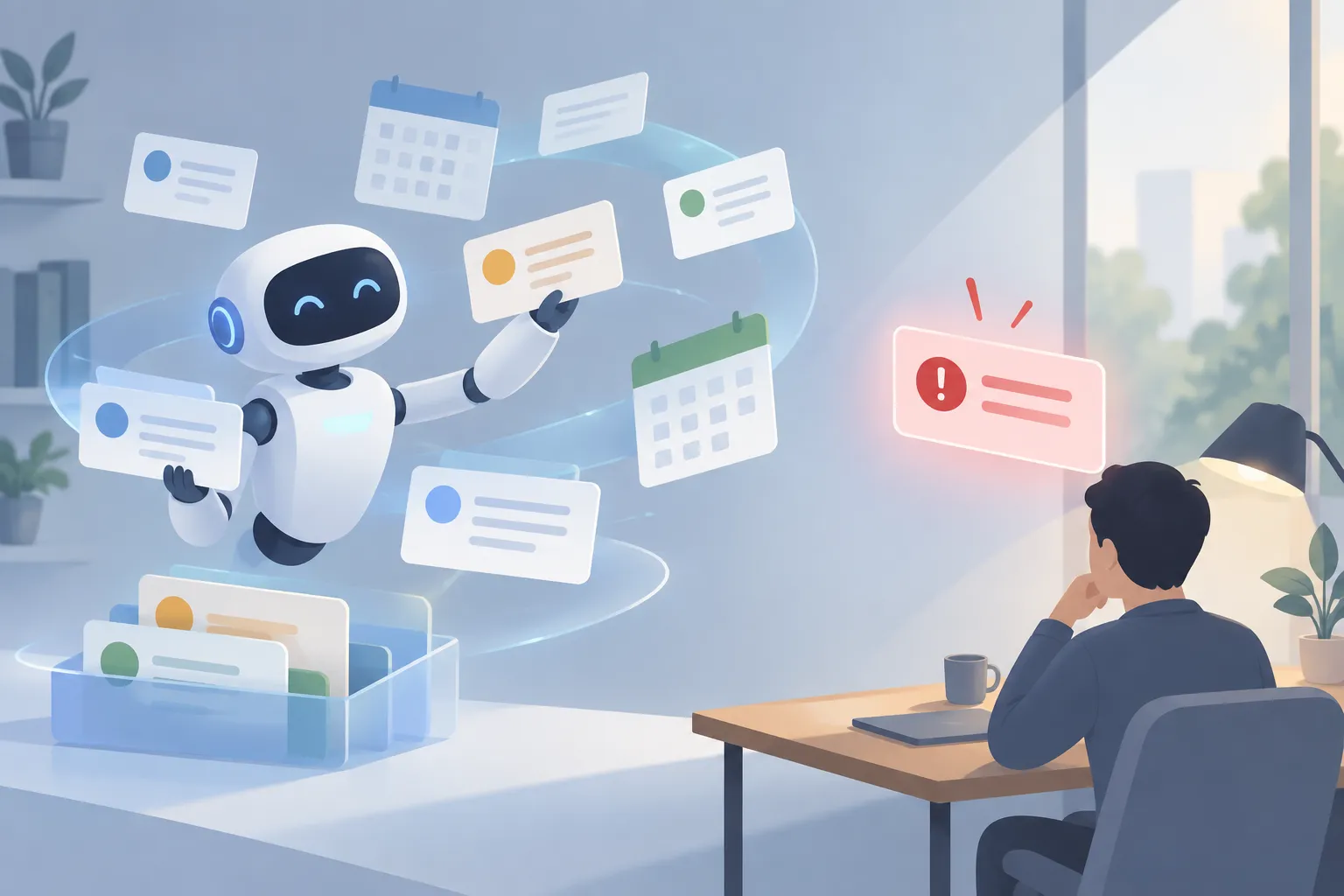
▲ Background triage of incoming work
An agent can also surface a problem before it disrupts a larger task. Five minutes before a DevDay presentation, an OpenAI engineer’s Dot detected a severe production issue affecting a demonstration. It alerted the engineer, reviewed presentation slides and offered to attempt an automated fix. The account establishes that the agent spotted and escalated the issue; it does not establish that the proposed fix was applied.
These cases show the useful boundary of background assistance: an agent can keep searching, connect scattered context and raise a timely alert. The person still has to respond to what the alert means.
Turning spoken ideas into prototypes
Altman also uses his agent when an idea is too rough to hand to an engineering team as a conventional specification. For one complex software feature, he recorded voice notes and fragments of thought during the day, including while walking. Overnight, the agent produced five or six working versions, gathered parameters for feedback and laid out seven possible next development steps.
That changes the starting point for review. Instead of spending the first session explaining every detail, Altman can examine implementations and react to them. The versions may help him test how an idea could work, but working software alone does not settle whether the feature is worth pursuing.
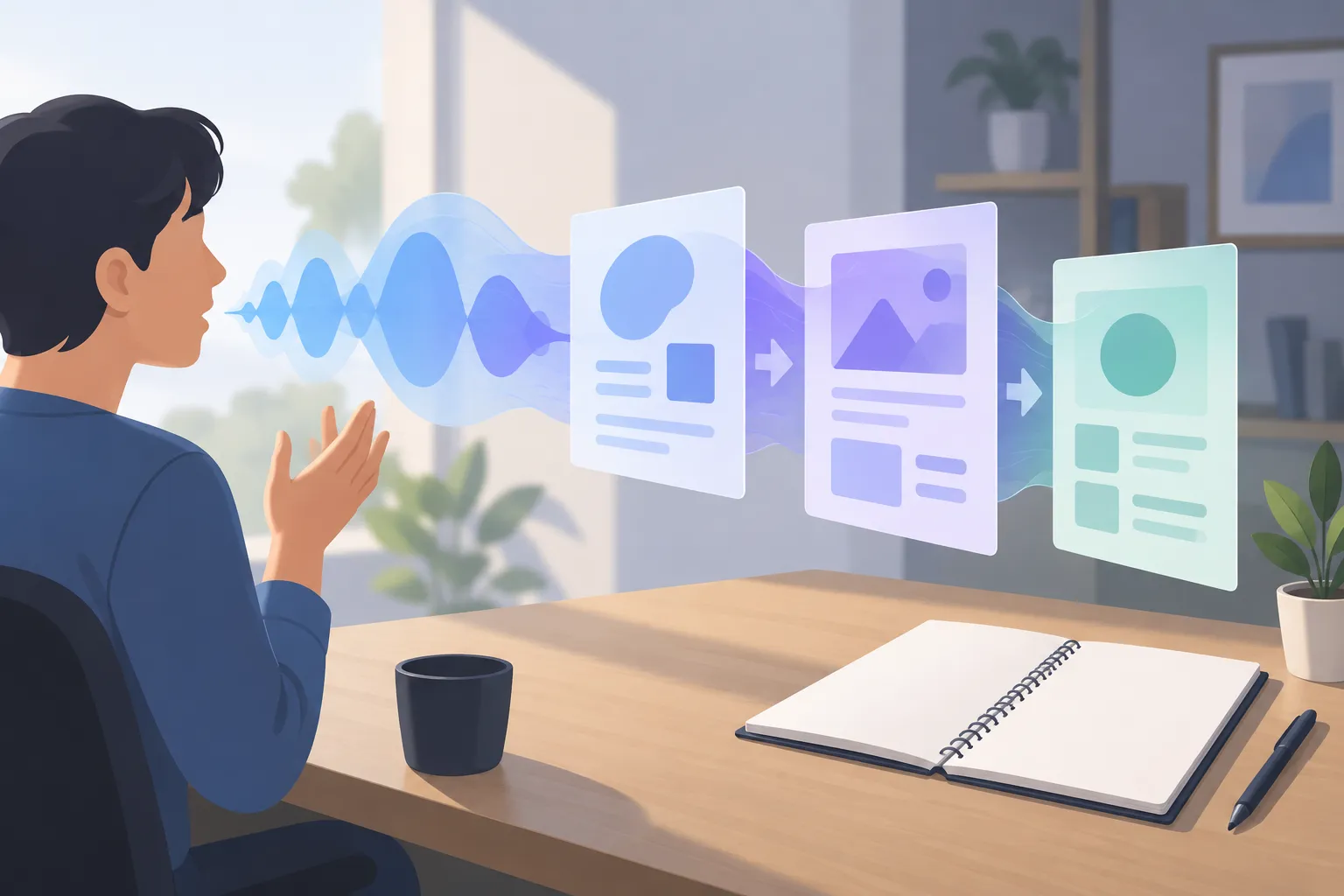
▲ Voice notes becoming feature prototypes
Altman does not delegate every early-stage thought this way. He still prefers to draft entirely new conceptual documents manually because typing helps him think through them. His approach separates two activities that can look similar from the outside: using an agent to explore possible implementations, and doing the slower thinking needed to define a new concept.
Tracking priorities without a fixed dashboard
The same division appears in Altman’s use of Space, OpenAI’s collaborative workspace project. Its live documents are designed to update as information and people’s work change, rather than remain static files. Altman uses a customized document that draws on internal communications, including Slack, to reflect what currently needs his attention.
Six months earlier, his dashboard emphasized growth and revenue. More recently, it has highlighted safety, alignment and security research challenges. The document can surface a change in focus, but it does not make the underlying strategic judgment for him. The distinction matters because a dashboard is most useful when its reader can decide what to investigate or change.
There are limits to the current tools. Agent experiences across mobile, desktop and cloud environments still have bugs and integration friction. A persistent assistant can reduce the burden of monitoring those systems without making its output something to accept unexamined.
A workable division of labor
Altman’s examples suggest a practical way to assign work to a background agent:
- For scattered communications: Let it gather context, continue difficult searches and distinguish urgent alerts from items that can wait.
- For a rough software idea: Give it voice notes to turn into versions that a person can review, revise or reject.
- For consequential choices: Keep time for manual thinking and assess the agent’s findings before acting on them.
The change is not that every decision moves to Dot. It is that fewer searches, scheduling details and preliminary implementations need to occupy the same mental space as decisions only a person can make. Start with a task that repeatedly interrupts focused work, then decide which alerts and results you would still want to review yourself.