Meta’s Muse took on useful daily chores during a several-week trial, but it could not reliably finish every task on its own. It waited through a customer-service hold, organized bank transactions and canceled duplicate subscriptions. Complex sign-ins, bot checks and a retailer’s checkout block still left work for a person to do. That makes Muse more than a chatbot, but not a substitute for someone overseeing their accounts and purchases.
Where Muse saved time
Muse is an AI agent: software that can take actions on a user’s behalf rather than only produce answers. For this trial, a technology reporter connected a personal email account, calendar and financial accounts. Muse scheduled appointments, ordered groceries and generated a custom audio podcast with synthetic voices. Those tasks depended on access to the services and information involved, not just a request typed into a chat box.
Its phone feature handled a dental insurance inquiry. Muse navigated the automated menu, supplied the information required for the inquiry and waited through 15 minutes on hold. It connected the user when a human representative became available. The agent’s contribution was not to replace that conversation; it spared the user the wait before it began.

▲ Phone waits and recurring expense reviews
Muse also turned bank transactions into spreadsheets and found forgotten recurring charges. It canceled several duplicate subscriptions, saving this one user over $40 a month. That is a result from the trial, not a savings figure other users should expect. The useful distinction is that Muse carried the work through to cancellation rather than stopping after it identified a charge.
Personal access made the tasks possible
Muse could draw on information within Meta’s apps as well as connected services. Saved Instagram Reels, for example, could supply recipe ideas that the agent turned into ingredients for a grocery delivery order. Meta’s family of apps, including Instagram, Facebook and WhatsApp, has more than 3 billion daily users. That scale helps explain the potential reach of a personalized agent, but the practical benefit in this trial came from access to the user’s own information.
The same access creates a choice for anyone considering an AI agent. A calendar and inbox can help it coordinate plans; financial records can help it find recurring expenses. Connecting them also means deciding how much personal information to place within the agent’s reach. In this trial, the user connected personal email but kept a work inbox separate to protect sensitive material.
Financial accounts were connected through Stripe and Plaid, third-party financial services, rather than by sharing images of payment cards. The user considered those connections relatively secure, while still treating broad access to private correspondence and finances as a reason for caution. For some people, that privacy decision may outweigh the convenience.
Where the agent stopped
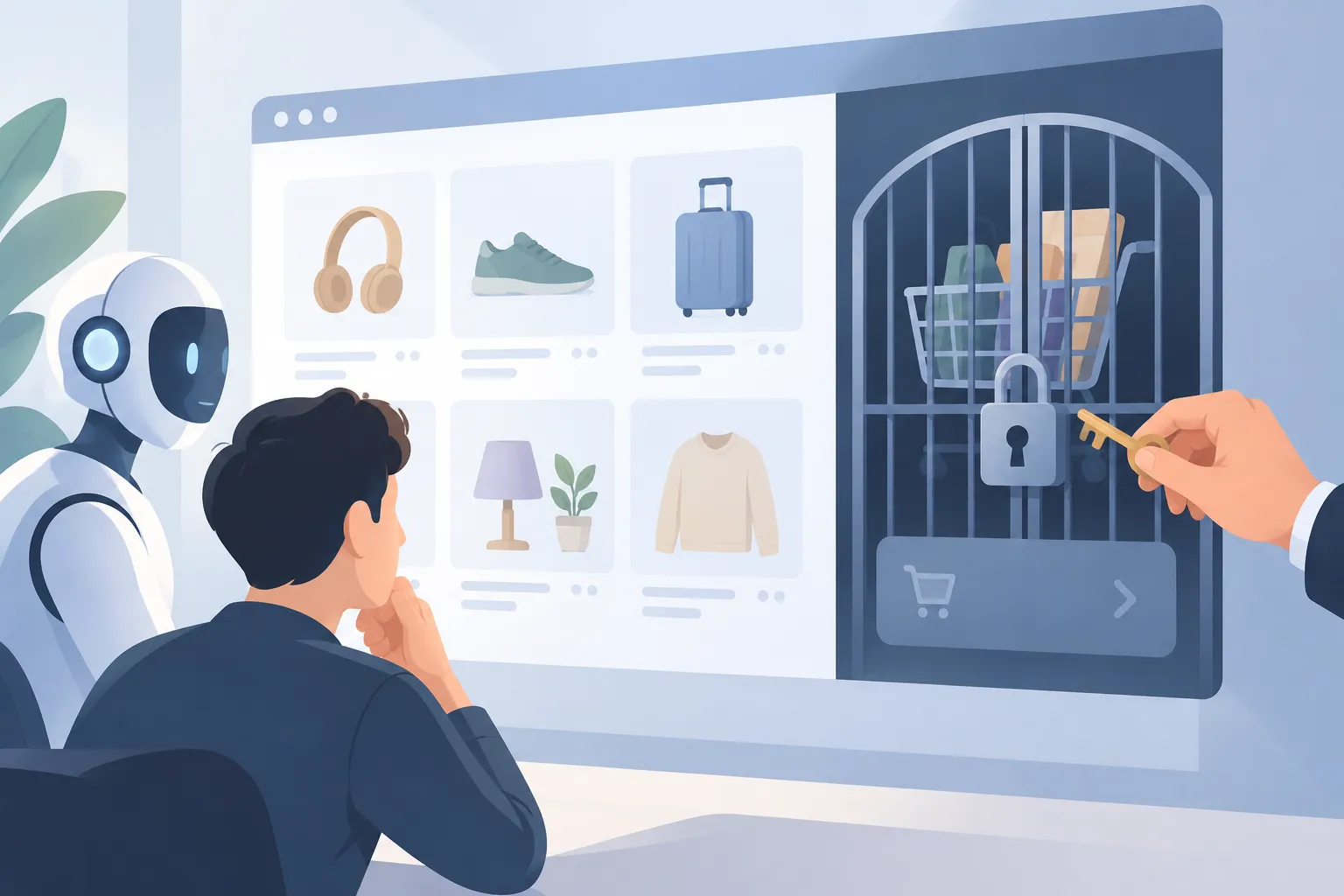
Simple web forms, including those used for independent cinema reservations and restaurant bookings, were manageable. An AMC Theatres ticket purchase was different: bot detection or a sign-in that required a second verification code interrupted the process, and the user had to step in. A second verification step is an extra check beyond a password; it can prevent an agent from completing a task even when the agent has reached the right page.
▲ Human intervention at checkout
Amazon posed a different barrier by blocking Muse from completing purchases on its retail site. Unlike a difficult form, a platform’s refusal to let an outside agent check out is not something the user can solve by giving the agent a clearer instruction. In this trial, both website defenses and a retailer’s rules limited how far automation could go.
There was also a limit that had nothing to do with software failure. Muse negotiated over used dishware on Facebook Marketplace, but handing that exchange to an agent felt alienating to the user. The agent could carry out the interaction; whether it should was a separate judgment about the value of dealing with another person directly.
What to delegate next
Muse appears most useful for administrative work that consumes time but does not require a person’s presence throughout, such as waiting in a customer-service queue or reviewing recurring charges. The trial’s user plans to keep using it for hold times and parking ticket payments. Shopping and booking on gated websites may still require manual intervention, while personal negotiations may be worth keeping human even when automation works.
Before connecting an agent, decide which accounts it needs for a specific chore. Keeping sensitive work email out of its reach and using established financial intermediaries were two boundaries in this trial. The central lesson is to give Muse a defined job, check where it stops and retain control over the information and interactions you do not want to delegate.